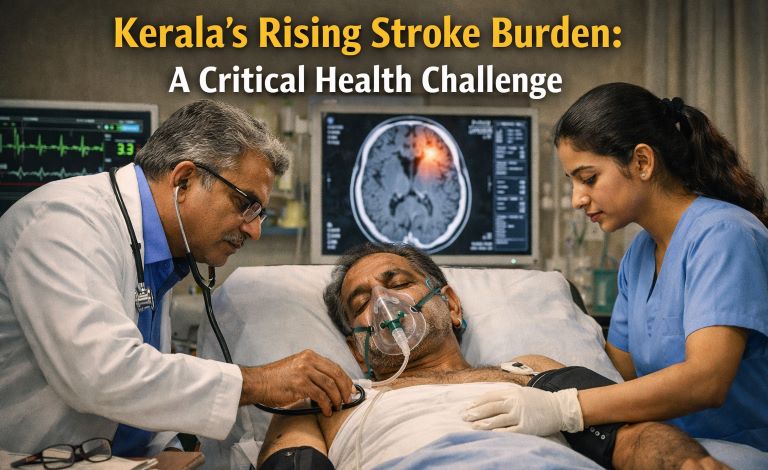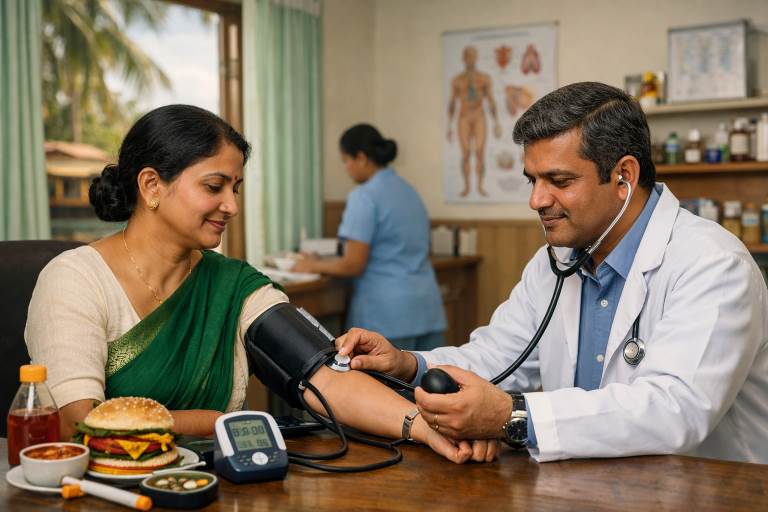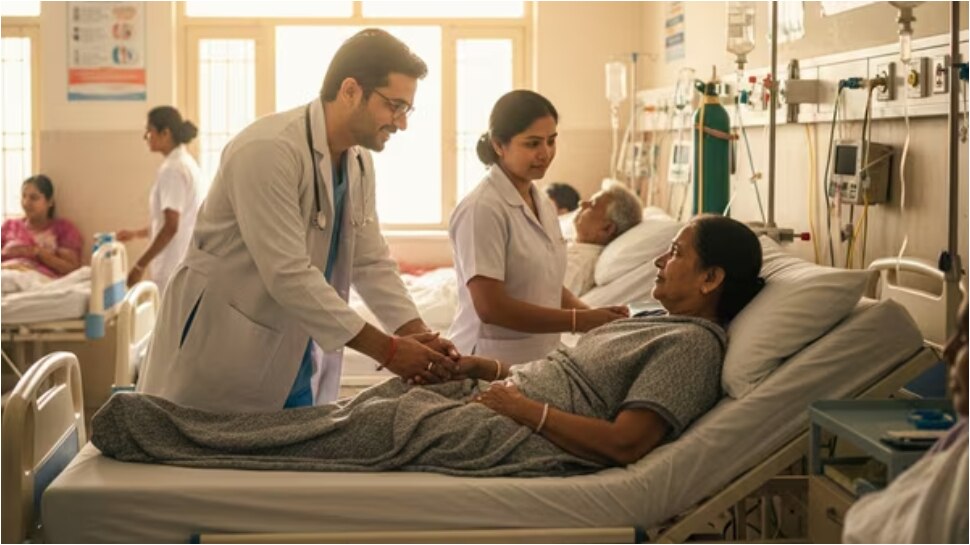
What is Bystander Service?
Definition: A professional service where trained attendants stay with patients in hospitals, offering non-medical support.
- Role: They assist with feeding, mobility, hygiene, and emotional support, while nurses and doctors handle medical care.
Availability: Widely offered by home nursing agencies and charitable organizations across Kerala.
Benefits of Bystander Service
| Aspect | Bystander Service | Family Member |
|---|---|---|
| Availability | Professional, 24/7 | Limited by personal schedules |
| Training | Basic patient care skills | Emotional but not trained |
| Emotional Support | Compassionate companionship | Strong family bond |
| Cost | Paid service | Free, but time-consuming |
| Reliability | Agency-managed | Depends on family situation |
Challenges
Family Constraints: Many families live abroad or far from hospitals, making it difficult to stay with patients.
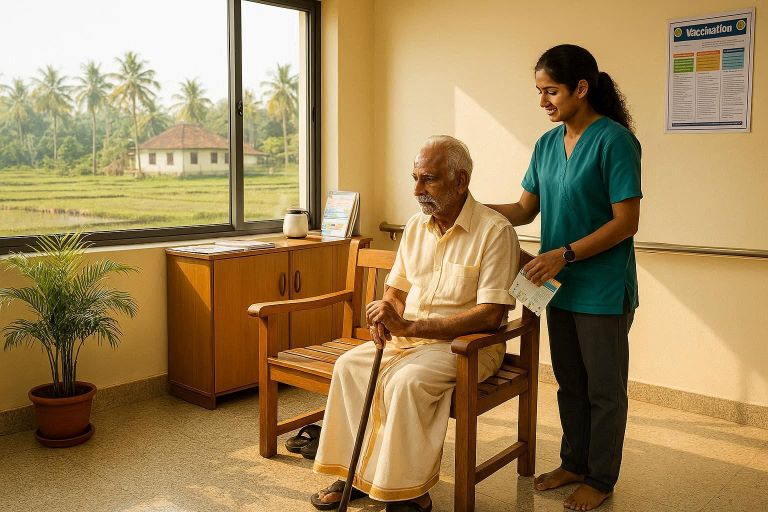
Elderly Patients: Older patients often need constant companionship and assistance.
Hospital Policy: Most Kerala hospitals require a bystander for admitted patients, making these services vital.
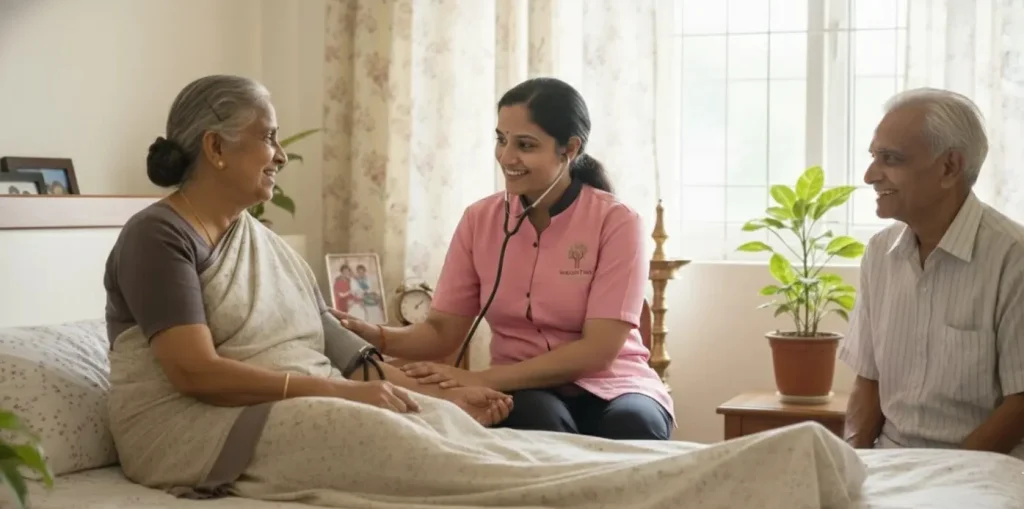
Emotional Support: Patients feel less lonely and more secure with a caring companion.
Conclusion
In Kerala, bystander services bridge the gap between medical care and family support, ensuring patients are never left unattended in hospitals. While family involvement remains irreplaceable, professional bystanders provide reliability, trained assistance, and emotional comfort, making them a crucial part of Kerala’s healthcare ecosystem.
Cost Factor: Paid services may be expensive for long-term hospital stays.
Quality Variation: Service quality depends on the agency and individual attendants.
Emotional Gap: Professional attendants cannot fully replace family presence.