Kerala is facing a growing public health challenge with the increasing number of stroke patients across the state. Once considered a disease affecting mainly the elderly, stroke is now being reported among younger and middle-aged adults as well. This trend has raised concerns among healthcare professionals and policymakers about the long-term health and economic consequences for society.
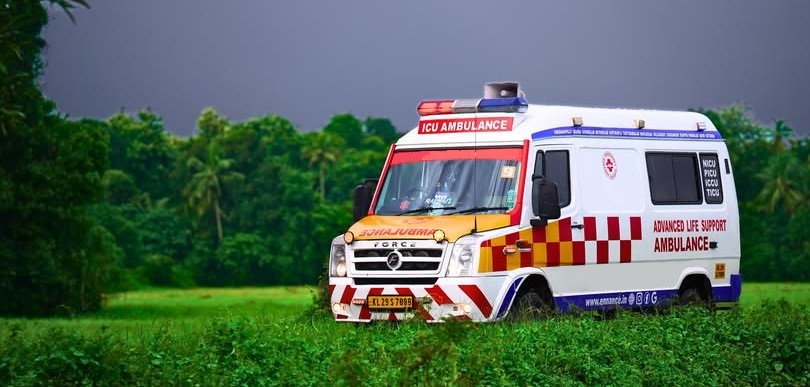
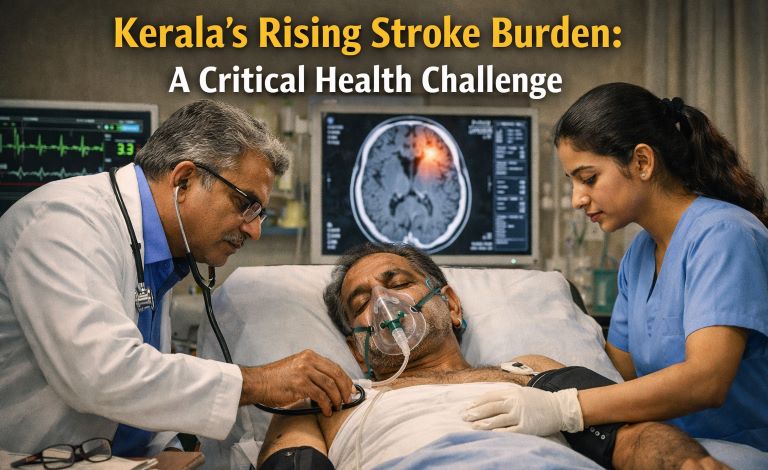
A stroke occurs when blood flow to the brain is interrupted, either due to a blockage or the rupture of a blood vessel. Immediate medical attention is critical, as delays in treatment can lead to permanent disability or death. Although medical advances have improved survival rates, stroke remains a leading cause of disability and dependence.
Several factors are contributing to the rise in stroke cases in Kerala. The state's ageing population is one important reason. However, lifestyle-related diseases such as hypertension, diabetes, obesity, and high cholesterol have also become increasingly common. Sedentary lifestyles, unhealthy food habits, smoking, alcohol consumption, and stress further increase the risk of stroke.
Particularly alarming is the growing incidence of stroke among working-age adults. Many people fail to undergo regular health check-ups or adequately manage chronic conditions. As a result, strokes are occurring at younger ages, affecting individuals during their most productive years and placing significant burdens on families.
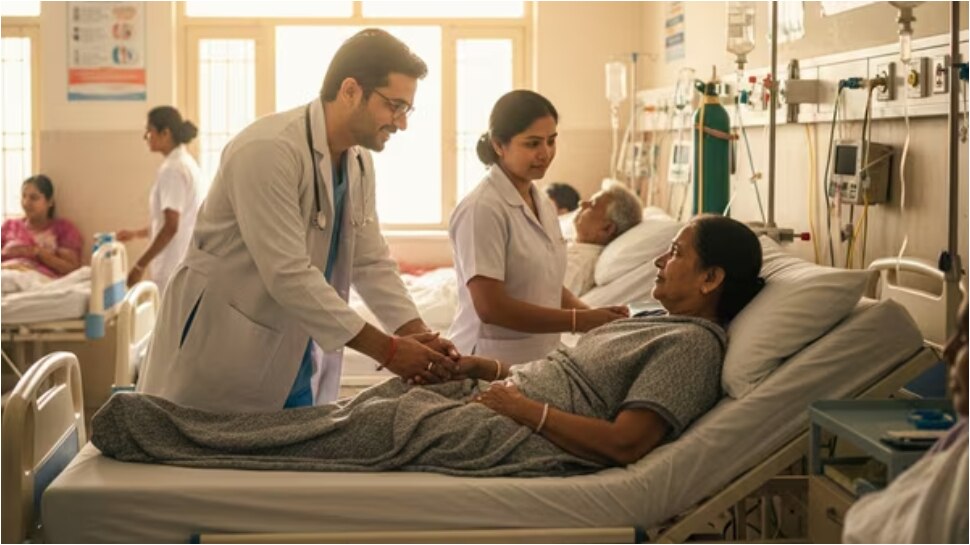
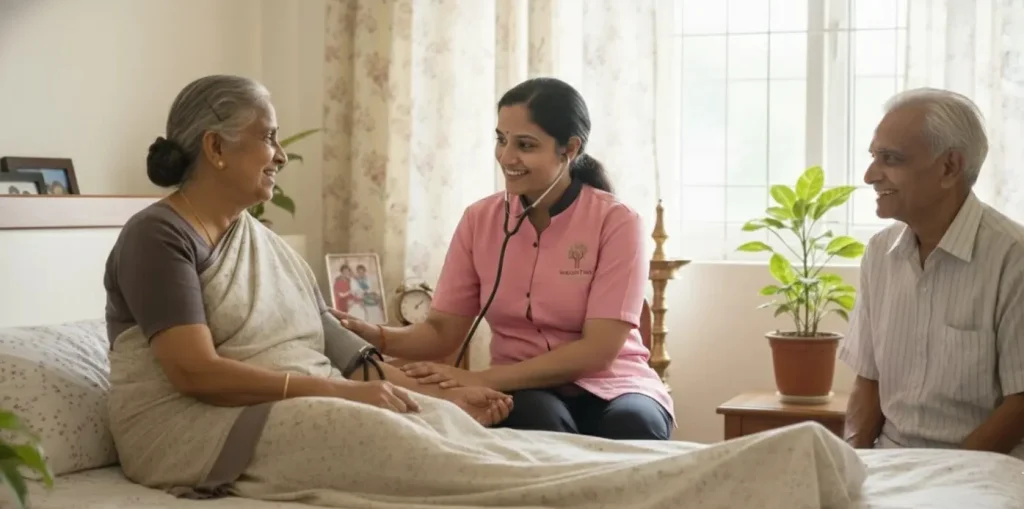
The impact of stroke extends beyond healthcare. Survivors often require long-term rehabilitation, physiotherapy, and continuous support. Families face emotional and financial challenges, especially when a family member becomes partially or completely dependent on others for daily activities. In Kerala, where migration and nuclear family structures are becoming common, providing long-term care can be especially difficult.
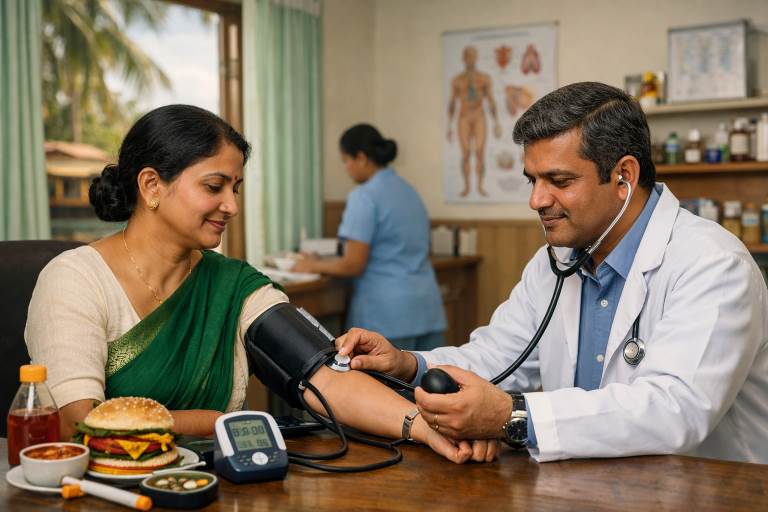
Addressing this challenge requires a strong focus on prevention. Public awareness campaigns, regular screening for blood pressure and diabetes, promotion of healthy lifestyles, and early recognition of stroke symptoms are essential. Expanding rehabilitation and community-based care services is equally important.Kerala's rising stroke burden highlights the need for a comprehensive public health response. By investing in prevention, early intervention, and rehabilitation, the state can reduce the impact of stroke and improve the quality of life of thousands of patients and their families.