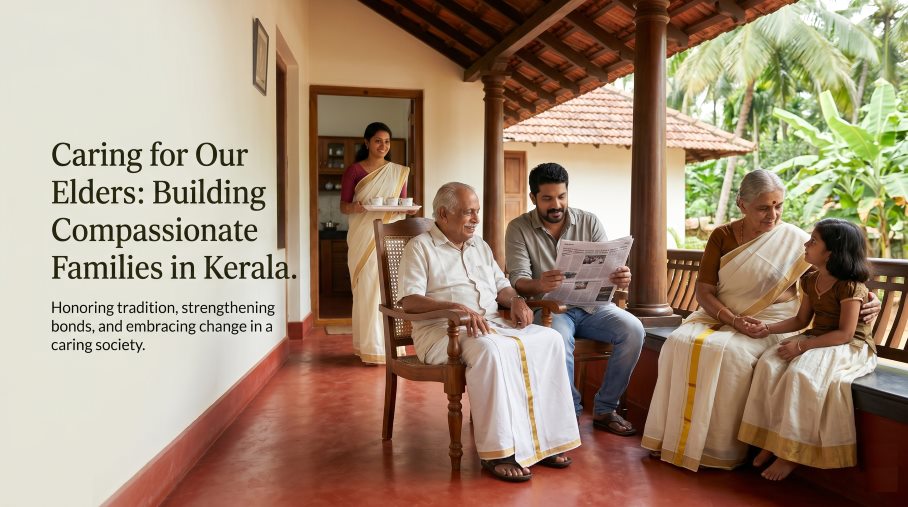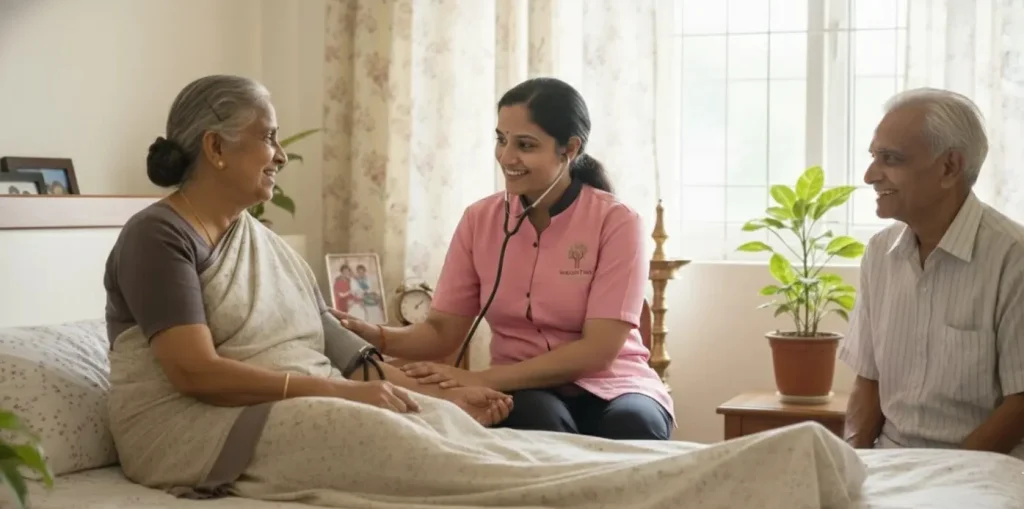
Traditionally, Kerala's family structure was based on extended and joint family systems. Elderly parents lived with their children and grandchildren, receiving emotional, social, and physical support within the household. Family members shared responsibilities for caregiving, ensuring that older adults remained integrated into daily family life. However, this model has gradually given way to smaller nuclear families, particularly in urban areas.
Several factors have contributed to this shift. Rising levels of education, urbanization, migration, and changing aspirations have encouraged younger generations to establish independent households. In many cases, adult children migrate to cities, other states, or foreign countries in search of employment opportunities. As a result, a growing number of elderly parents are left living alone or with only their spouses.
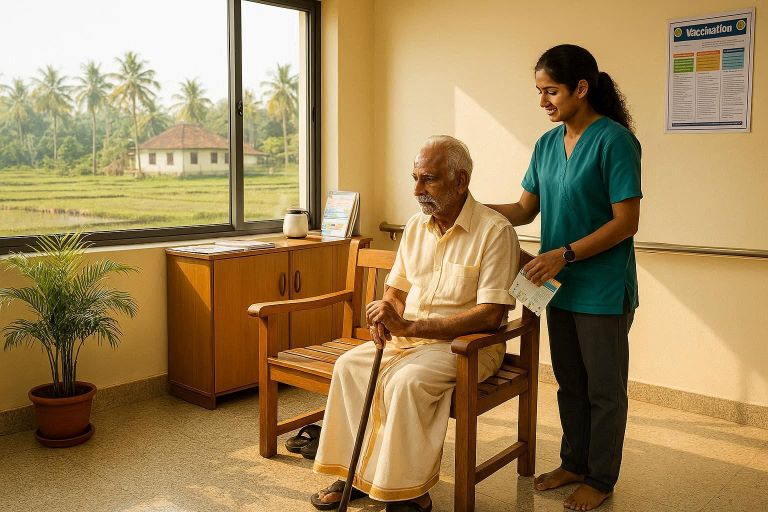
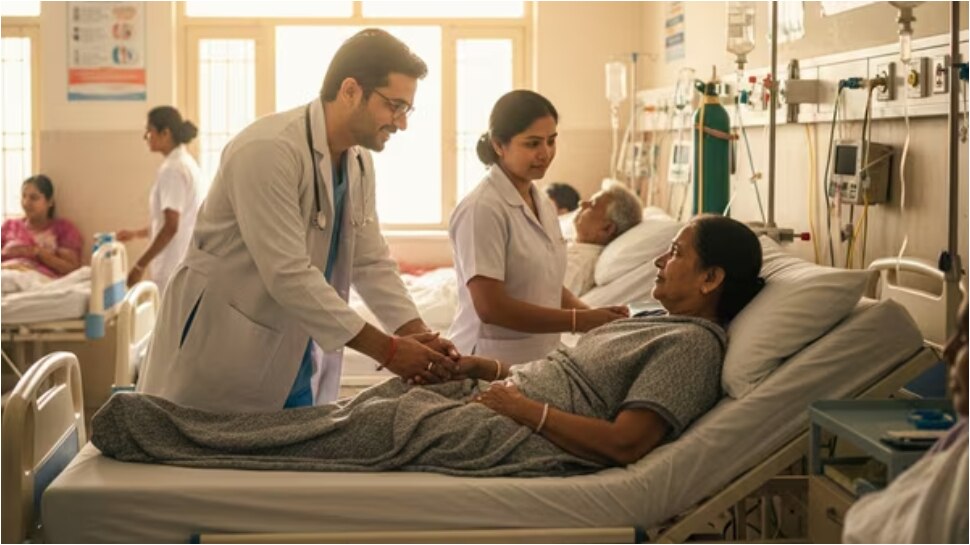
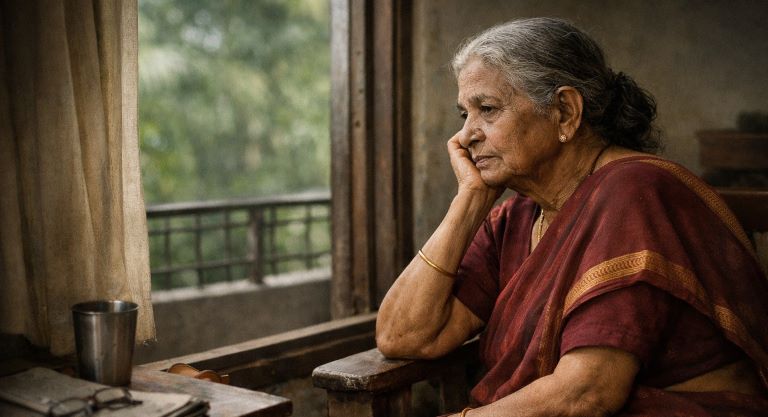
The consequences of this transformation are becoming increasingly visible. Many older adults face loneliness, social isolation, and emotional distress. Physical health problems become more difficult to manage when family support is unavailable. Routine tasks such as attending medical appointments, managing medications, and responding to emergencies can become significant challenges. Elderly individuals with chronic illnesses, disabilities, or cognitive conditions such as dementia are particularly vulnerable.
The burden also affects nuclear families themselves. Working couples often struggle to balance professional responsibilities, childcare, and the care of ageing parents. Women, who continue to shoulder a large share of caregiving responsibilities, frequently experience physical and emotional stress. As family support networks shrink, the demand for external caregiving services continues to rise.
These challenges highlight the need for a comprehensive elderly care system in Kerala. Community-based care programmes, day-care centres for senior citizens, home nursing services, and professional caregiving support must become integral components of social policy. Local self-governments, healthcare institutions, and civil society organizations can play an important role in building age-friendly communities that reduce isolation and promote active ageing.
At the same time, public policies should strengthen intergenerational relationships and support families in their caregiving roles. Financial assistance, caregiver training, and flexible work arrangements can help families meet the needs of older adults. Kerala's ageing population is not merely a healthcare issue; it is a social challenge shaped by changing family structures. Addressing the care needs of the elderly in an age of nuclear families will require collective action from families, communities, and the state. The future well-being of Kerala's senior citizens depends on how effectively this challenge is addressed today.