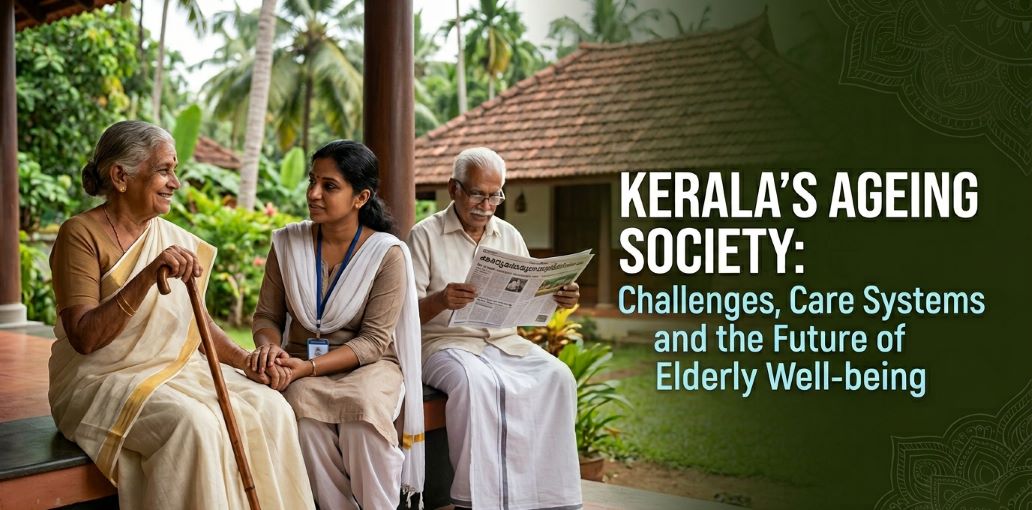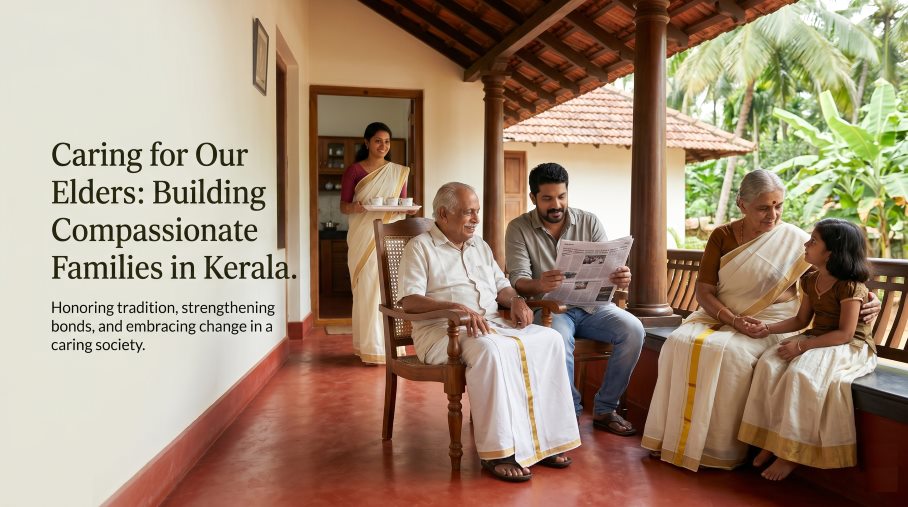
Kerala is passing through a major demographic transition marked by rapid population ageing, increased life expectancy and changing family structures. Traditionally, elderly people in Kerala enjoyed a respected position within the family and community. The joint family system ensured emotional security, social participation and continuous care for older parents and grandparents. However, contemporary Kerala has undergone significant socio-economic and cultural changes due to migration, urbanization, nuclear families, women’s employment and changing lifestyles. These developments have transformed the nature of family relationships and created new challenges in caring for elderly family members.
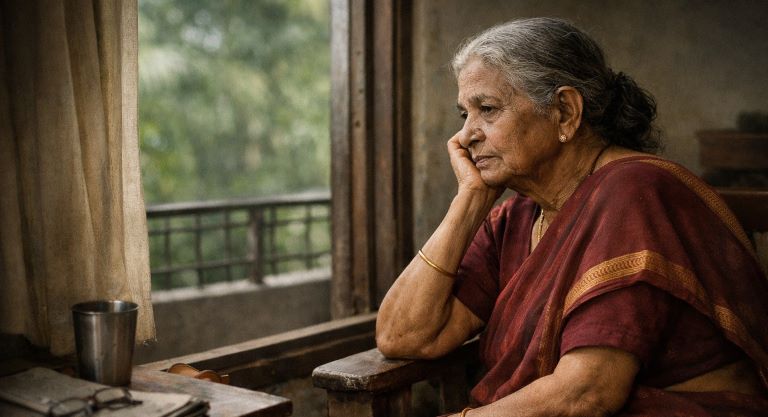
Today, many elderly people in Kerala live alone or only with their spouses because their children work abroad or in distant cities. Gulf migration, which brought prosperity to Kerala, also produced a generation of ageing parents who experience loneliness, emotional insecurity and health-related vulnerabilities. In many households, elderly persons suffer silently from chronic illnesses, reduced mobility, depression and a feeling of social isolation. Therefore, family members must understand that elderly care is not merely a physical responsibility but also an emotional, psychological and cultural obligation deeply rooted in Kerala’s social values.
One of the most important aspects of elderly care is emotional support. Older people often experience anxiety about declining health, dependency and loneliness. Many elderly parents feel neglected when younger family members become busy with careers, digital lifestyles and social pressures. In Kerala’s cultural context, where family bonds traditionally carried immense importance, emotional neglect can deeply affect elderly individuals. Family members should therefore spend quality time with older persons, listen patiently to their concerns and involve them in family discussions and celebrations. Simple gestures such as regular conversations, shared meals and affectionate communication can greatly improve their emotional well-being.
Respect and dignity are equally important in caring for elderly family members. In Kerala society, elders were once viewed as custodians of wisdom, tradition and moral guidance. However, rapid modernization has weakened intergenerational interaction in many households. Younger generations may sometimes view elderly people as burdens because of their health needs or slower pace of life. Such attitudes can create emotional pain and feelings of worthlessness among older persons. Family members should instead recognize the life experiences and contributions of the elderly. Seeking their advice, respecting their opinions and involving them in household decisions help preserve their dignity and strengthen family relationships.
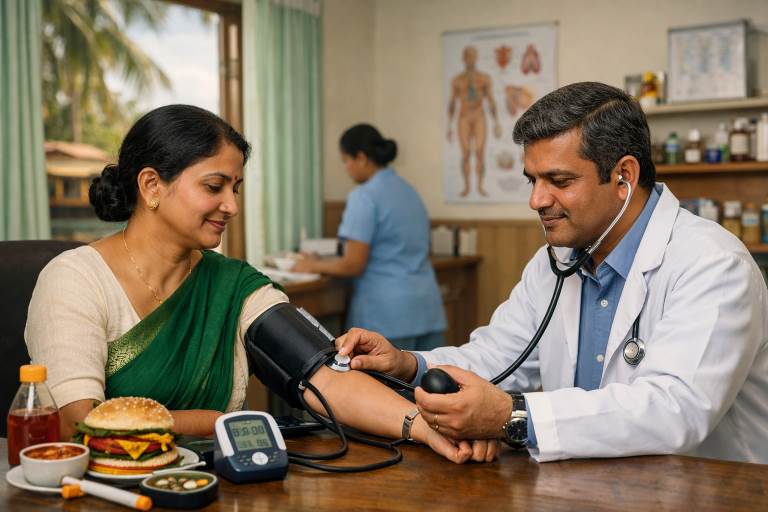
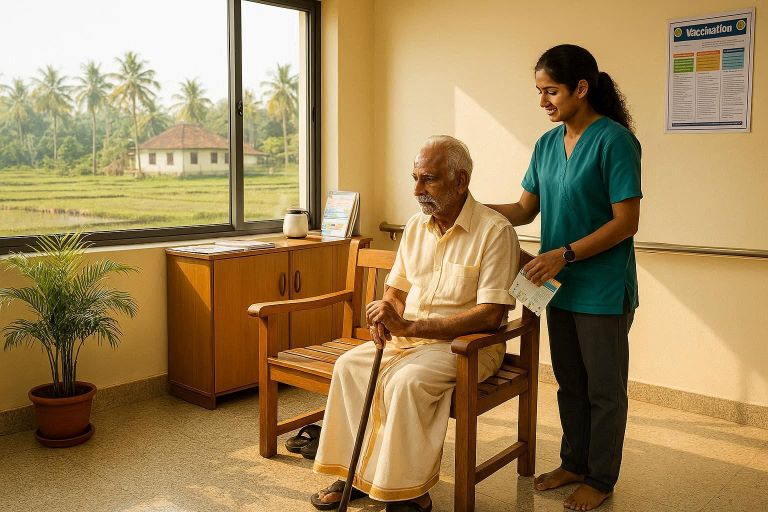
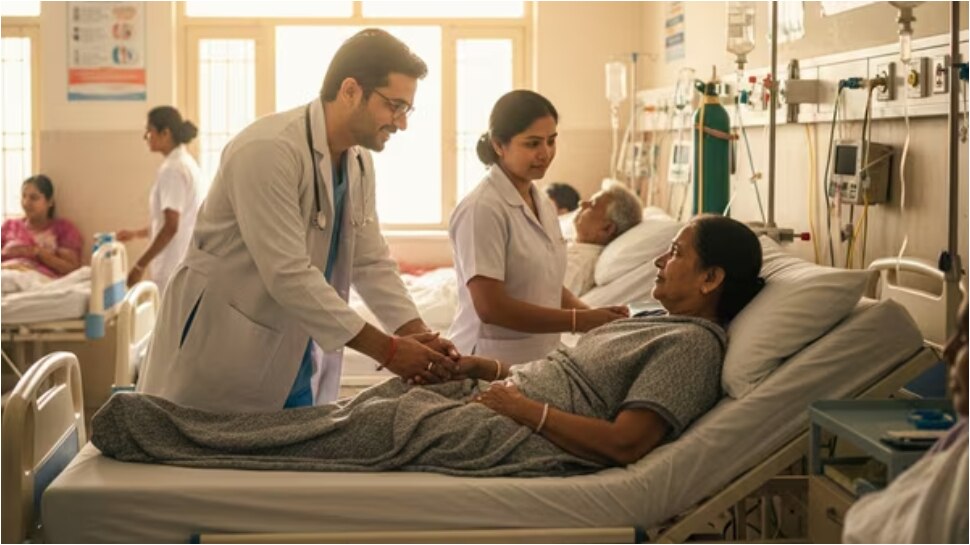
Health management has become another major concern in Kerala’s ageing society. The state has one of the highest rates of lifestyle diseases such as diabetes, hypertension and heart disease in India. Elderly individuals often suffer from multiple chronic illnesses simultaneously. Family members should therefore ensure regular medical check-ups, proper medication management and healthy dietary habits for older persons. Since many elderly people hesitate to express their health concerns, caregivers must remain attentive to changes in behavior, appetite, sleep patterns and emotional condition. Mental health also requires serious attention. Depression, anxiety and memory-related disorders such as dementia are increasingly common among Kerala’s elderly population. Families should avoid dismissing forgetfulness or emotional withdrawal as “normal ageing” and instead seek timely medical support and counselling when necessary.
Kerala’s socio-cultural environment also places unique pressures on elderly women. Many older women are widows who depend emotionally and financially on their children. They may hesitate to express their needs due to traditional expectations of sacrifice and silence. Family members must therefore provide special emotional care and financial security to elderly women, ensuring that they do not feel isolated within the household. Elderly women should also be encouraged to participate in religious gatherings, neighborhood groups and community activities that provide companionship and emotional support.
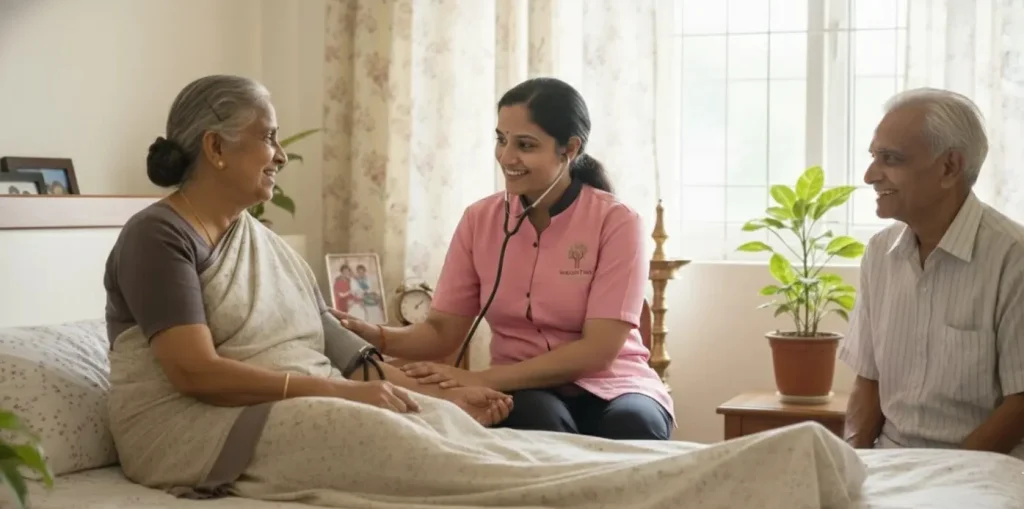
Another important issue is the growing dependence on paid caregivers and institutional care. Due to migration and employment pressures, many families in Kerala now rely on home nurses, attendants and old-age homes for elderly care. While such services may sometimes be necessary, families should not completely transfer emotional responsibility to caregivers or institutions. Even when professional assistance is available, regular interaction and emotional presence from children and relatives remain essential. Elderly individuals need affection and belongingness more than material comfort alone.
Technology can also play a meaningful role in maintaining family relationships. Children working abroad or in other cities should maintain frequent communication through phone calls and video interactions. In Kerala’s migrant families, regular communication can reduce loneliness among ageing parents and reassure them of continued emotional support. Family members should also help elderly persons become comfortable with basic digital tools so that they remain socially connected and informed.
At the community level, Kerala possesses strong traditions of neighborhood solidarity, religious participation and local self-government initiatives. Families should encourage elderly members to engage in social and cultural activities such as temple gatherings, church associations, mosque committees, reading clubs and senior citizen groups. Participation in community life promotes mental health, social belonging and active ageing. Kerala’s palliative care movement and community healthcare networks have demonstrated that collective social responsibility can significantly improve the quality of elderly care.
Ultimately, caring for elderly family members should not be seen as a burden but as an expression of gratitude, humanity and cultural continuity. Kerala’s society has historically valued compassion, family solidarity and social responsibility. Preserving these values in an era of rapid social change is essential for building an inclusive and humane ageing society. The way families treat their elderly today will shape the moral character of future generations. By combining emotional care, medical support, respect and social inclusion, Kerala’s families can ensure that older persons live not merely longer lives, but lives filled with dignity, security and affection.