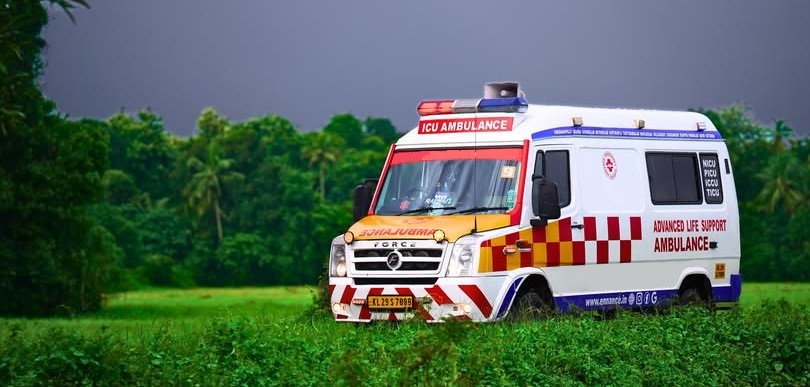
In Kerala, ambulance services play a crucial role in critical situations, ensuring timely medical support and safe patient transfers. With a strong healthcare infrastructure and wide network of hospitals, the state has developed reliable emergency response systems that combine government, private, and charitable initiatives.
Government Ambulances: Operated under the 108 Emergency Service, these are available across districts for emergencies like accidents, cardiac arrests, and trauma cases.
Private Ambulances: Hospitals and independent agencies provide advanced life support (ALS) and basic life support (BLS) ambulances.
Charitable Trusts: Many NGOs and religious organizations run free or low-cost ambulance services, especially in rural areas.
Specialized Ambulances: Equipped for ICU transfers, neonatal care, and ventilator support, ensuring critical patients receive continuous medical attention during transit.
Why Ambulance Services Are Vital
Rapid Response: Quick arrival at accident sites or homes can save lives.
Critical Care on Wheels: Advanced ambulances provide oxygen, defibrillators, and trained paramedics.
Accessibility: Even remote villages are increasingly connected through government and private networks.
Integration with Hospitals: Ambulances are linked to emergency departments, ensuring seamless patient handover.
Types of Ambulances in Kerala
| Type | Features | Use Case |
|---|---|---|
| Basic Life Support (BLS) | Oxygen, stretcher, first aid | Non-critical transfers |
| Advanced Life Support (ALS) | Ventilator, ECG, defibrillator, paramedic | Critical emergencies |
| ICU Ambulance | Full ICU setup | Long-distance critical transfers |
| Neonatal Ambulance | Incubator, neonatal team | Infant emergencies |
⚠️ Challenges in Kerala
Traffic Delays: Urban congestion can slow response times.
Rural Access: Remote areas may face delays despite growing networks.
Cost Concerns: Private ambulances can be expensive for long-distance transfers.
Conclusion
Ambulance services in Kerala are widely available and lifesaving in critical situations, supported by government initiatives, private hospitals, and charitable organizations. While challenges like traffic and rural access remain, the state’s commitment to emergency healthcare ensures that patients receive timely and professional support when it matters most.