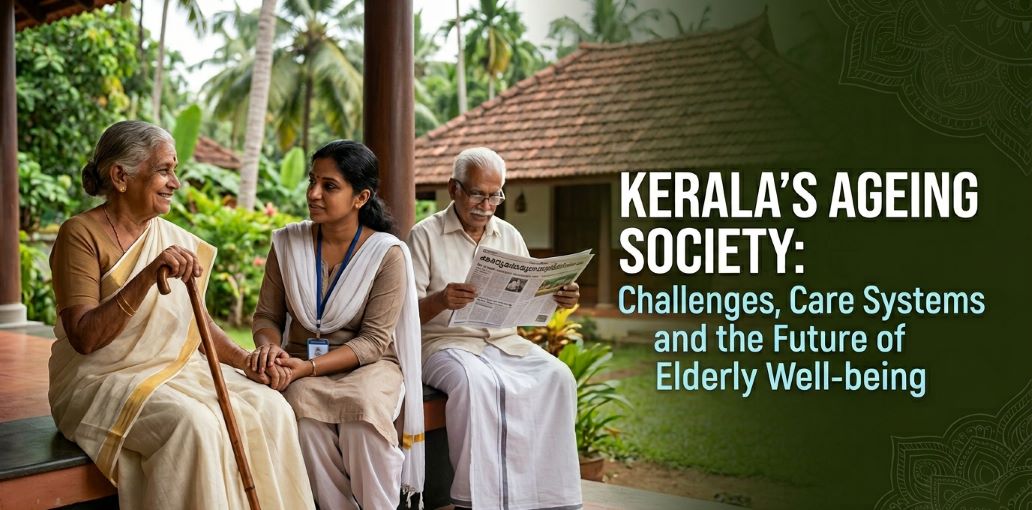
Kerala is often celebrated for its high literacy, strong public health system and remarkable social development indicators. Yet behind these achievements lies a profound demographic transformation that is reshaping the state’s social and economic future: population ageing. Kerala today stands as the most rapidly ageing state in India, with a growing proportion of senior citizens and an increasing demand for long-term care, social protection and health support systems. The transformation is not merely statistical; it has deep implications for family structures, migration patterns, healthcare systems and community life.
Unlike many Indian states that still possess relatively younger populations, Kerala has entered an advanced demographic stage characterized by low fertility, declining mortality and increasing life expectancy. According to census-based observations discussed in the article, the proportion of people above sixty years in Kerala rose significantly between 2001 and 2011, and projections indicate continued growth in the coming decades. The state’s elderly population is expanding faster than its overall population, creating a situation in which the demand for elderly care is increasing rapidly while the availability of traditional caregivers is gradually declining.
One of the central reasons behind Kerala’s ageing transition is its long history of social development. Investments in education, public health and women’s empowerment substantially reduced fertility and mortality levels across the state. Female literacy and access to healthcare delayed childbirth and reduced infant and maternal mortality. These improvements enhanced life expectancy and transformed Kerala into a model of demographic transition within India. However, the success of these social indicators has also generated new social challenges. As families become smaller and individuals live longer, the burden of elderly care is increasing within households and communities.
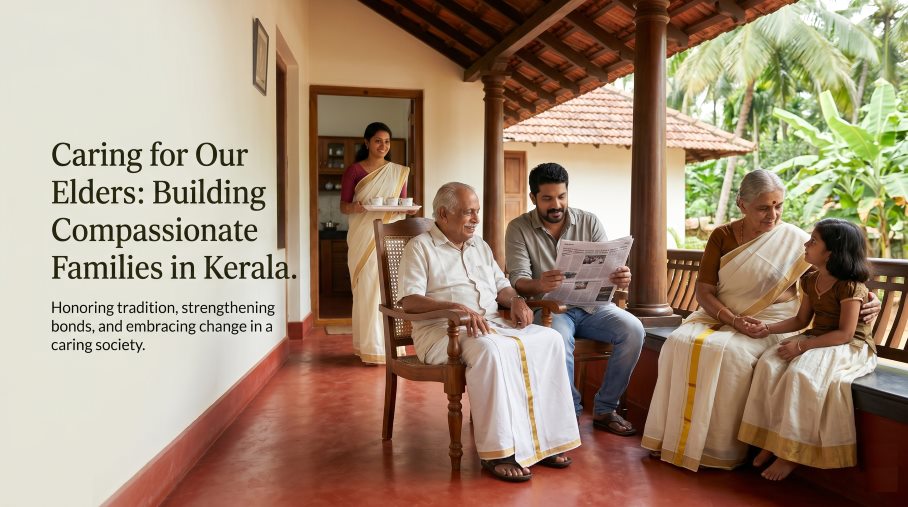
Migration has further intensified this transformation. Kerala witnessed massive migration to Gulf countries and other regions for employment and education opportunities. The migration of younger generations has produced economic prosperity through remittances, but it has also left behind a large number of elderly parents who often live alone or only with their spouses. The traditional joint family system, which once ensured emotional and physical support for older persons, is weakening under the pressures of urbanization, nuclear families and labour migration. Consequently, elderly individuals increasingly depend on paid caregivers, neighbors, social organizations and institutional support systems.
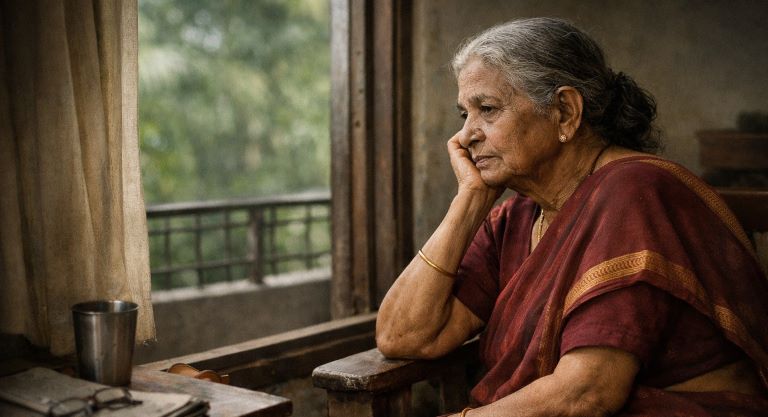
The condition of elderly women in Kerala deserves special attention. Women constitute a larger share of the elderly population because of their higher life expectancy. Many older women are widows and face emotional isolation, financial insecurity and chronic health problems. Elderly women are often more vulnerable to depression, disability and loneliness, especially when they live alone or when children reside abroad. The feminization of ageing therefore presents a significant challenge for social policy and healthcare planning in Kerala.
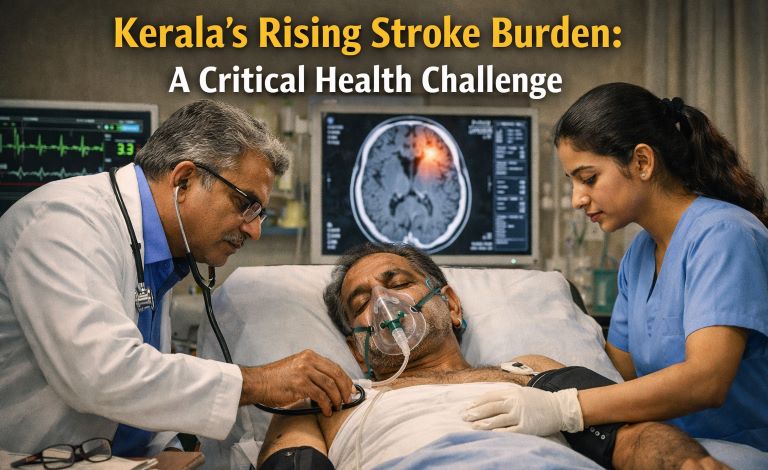
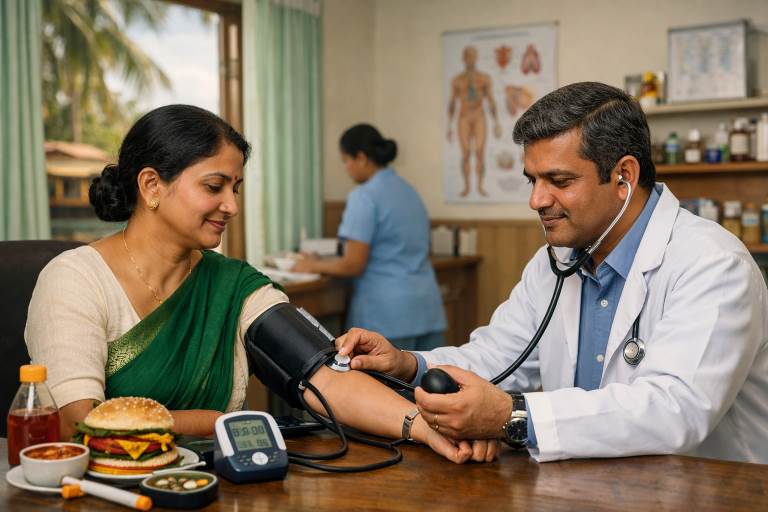
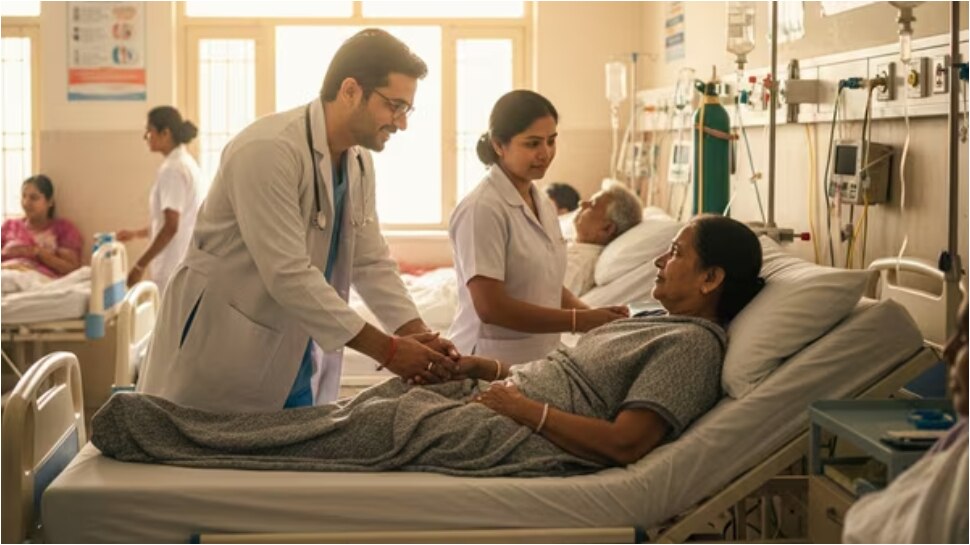
Health concerns among the elderly are another major issue. The article demonstrates that a large percentage of Kerala’s elderly population lives with chronic illnesses such as diabetes, hypertension, arthritis, cardiovascular disease and respiratory disorders. Many elderly persons suffer from multiple chronic conditions simultaneously, increasing their dependence on long-term medical care and assistance in daily life. Kerala’s epidemiological transition—from infectious diseases to lifestyle-related illnesses—has resulted in a healthcare burden that is particularly severe among senior citizens.
In addition to physical illnesses, mental health issues among the elderly are becoming increasingly visible. Depression, loneliness, anxiety and cognitive disorders such as dementia and Alzheimer’s disease are emerging as serious public health concerns. Elderly individuals who experience social isolation, widowhood or declining physical mobility often struggle with psychological distress. Memory-related illnesses require specialized care systems that combine medical treatment, emotional support and family counselling. The growing prevalence of dementia in Kerala indicates the urgent need for community-based mental healthcare services and caregiver training programs.
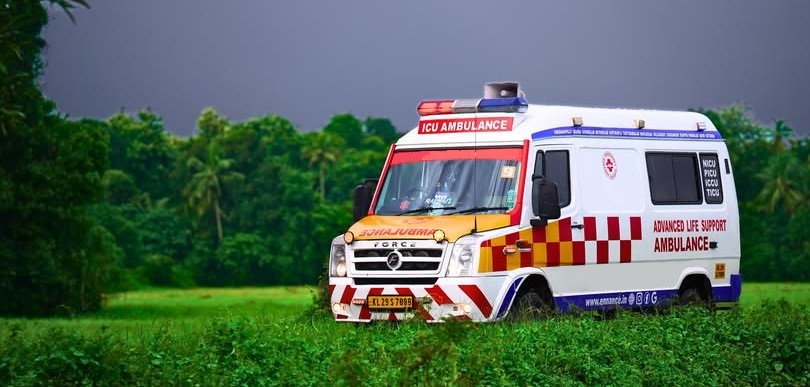
While many elderly persons continue to live with their children, a substantial proportion now live only with their spouses or entirely alone. Elderly couples living independently face difficulties in managing healthcare, financial responsibilities and daily activities. Those living alone are especially vulnerable during medical emergencies or periods of illness. The rise of “only elderly households” reflects the broader transformation of Kerala’s social structure and highlights the weakening of traditional support systems.
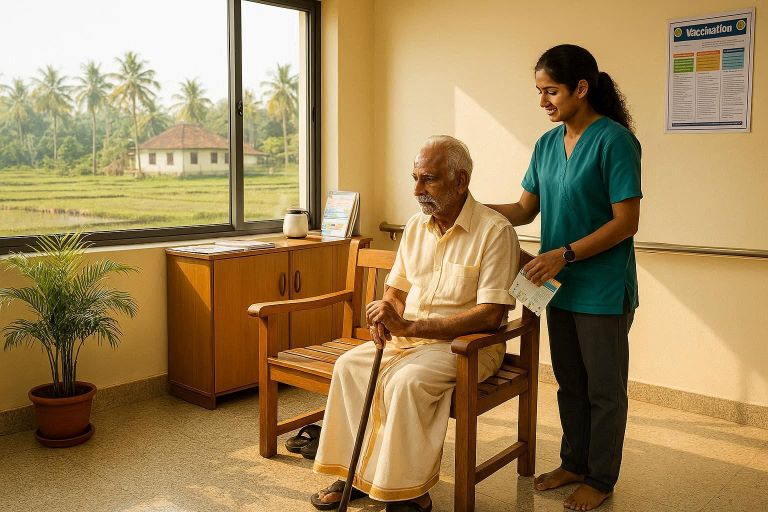
Caregiving in Kerala increasingly operates through a three-tier structure involving households, institutions and society. Traditionally, family members—especially children and spouses—served as primary caregivers. However, with the decline of extended family systems, institutional and community-based forms of care have become more important. Hospitals, local self-governments, palliative care centers, old-age homes and voluntary organizations now play a critical role in supporting elderly populations.
Kerala has been a pioneer in developing public policies for elderly welfare. The state introduced one of India’s earliest old-age policies, focusing on healthcare, social security, independent living and institutional support for senior citizens. Several innovative programs have been implemented to address the needs of older persons. Schemes such as Vayomithram provide healthcare services, medicines, counselling and palliative care support to elderly citizens. Aswasakiranam offers financial assistance to caregivers of physically and mentally disabled elderly persons belonging to economically weaker families. These initiatives demonstrate Kerala’s attempt to combine welfare policies with community-level interventions.
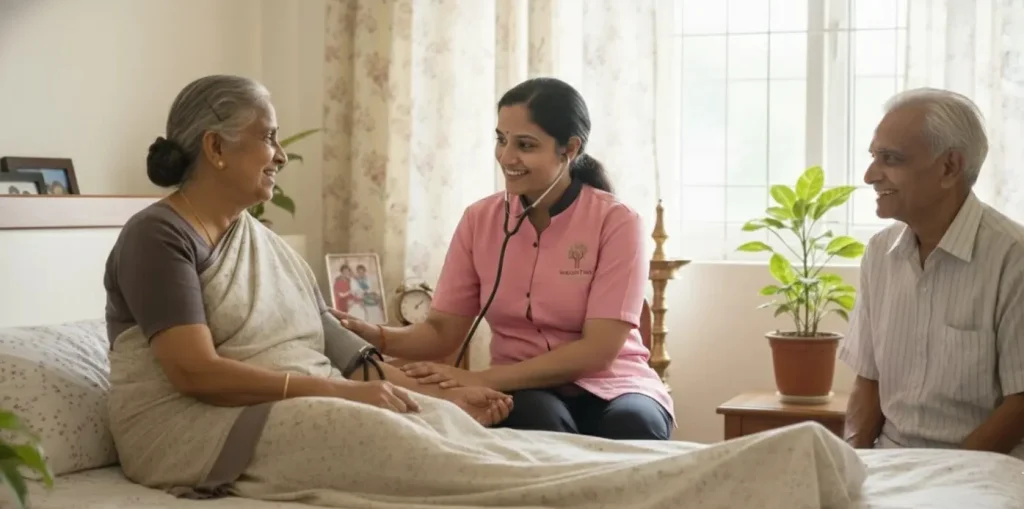
Kerala’s palliative care movement is internationally recognized for its community-based approach. The state has developed an extensive network of palliative care services supported by local self-governments, volunteers and healthcare professionals. Home-based palliative care has become especially significant for bedridden and terminally ill elderly individuals who require long-term support and pain management. Kerala’s model emphasizes dignity, compassion and community participation, offering valuable lessons for other regions facing population ageing.
Civil society organizations also play a major role in elderly care within Kerala. Organizations associated with community welfare, women’s empowerment and charitable healthcare contribute significantly to home-based support services, counselling and rehabilitation programs. Kudumbashree initiatives, volunteer networks and non-governmental organizations provide companionship and practical assistance to elderly individuals who lack family support. Such community engagement strengthens social solidarity and reduces isolation among older persons.
Another visible response to ageing has been the expansion of old-age homes and assisted living facilities across Kerala. Many institutions are managed by religious organizations, charitable trusts and private agencies. While some elderly persons voluntarily choose institutional living for security and companionship, others enter such facilities because of neglect, poverty or absence of caregivers. The increasing demand for old-age homes reflects both the limitations of family-based care and the emergence of new social realities in Kerala.
Despite these developments, Kerala continues to face major challenges in elderly care. Healthcare systems remain under pressure due to the rising burden of chronic disease and long-term care needs. Many families struggle financially and emotionally while caring for elderly members. Trained geriatric caregivers and specialized mental health professionals remain insufficient. Social isolation and elder abuse are additional concerns that require urgent attention. Furthermore, economic insecurity among elderly individuals without pensions or savings creates vulnerabilities that cannot be addressed solely through family support.
The future of Kerala’s ageing society depends on how effectively the state balances healthcare, social welfare and community participation. Elderly care can no longer be viewed merely as a private family responsibility; it must become a shared responsibility involving government institutions, healthcare systems, local communities and civil society organizations. Policies must focus not only on extending life expectancy but also on improving the quality of life for senior citizens. Age-friendly housing, accessible transportation, digital inclusion, mental health services and social engagement programs will become increasingly important in the coming decades.
Kerala’s experience offers valuable lessons for the rest of India. The state demonstrates both the achievements and challenges of demographic transition. While ageing reflects improvements in human development, it also requires innovative policies, compassionate caregiving systems and sustainable social support mechanisms. As Kerala moves further into an ageing future, the dignity, health and well-being of its elderly population will remain central to the state’s broader vision of social justice and inclusive development.