Recent health surveys reveal the magnitude of the problem. According to the latest National Family Health Survey (NFHS-6), nearly 29% of women and 32% of men in Kerala have high blood sugar levels or are on medication for diabetes. Similarly, around 32% of women and 37% of men suffer from hypertension or are taking medicines to control blood pressure. These figures are significantly higher than the national average and indicate a continuing rise in lifestyle-related diseases in the state.
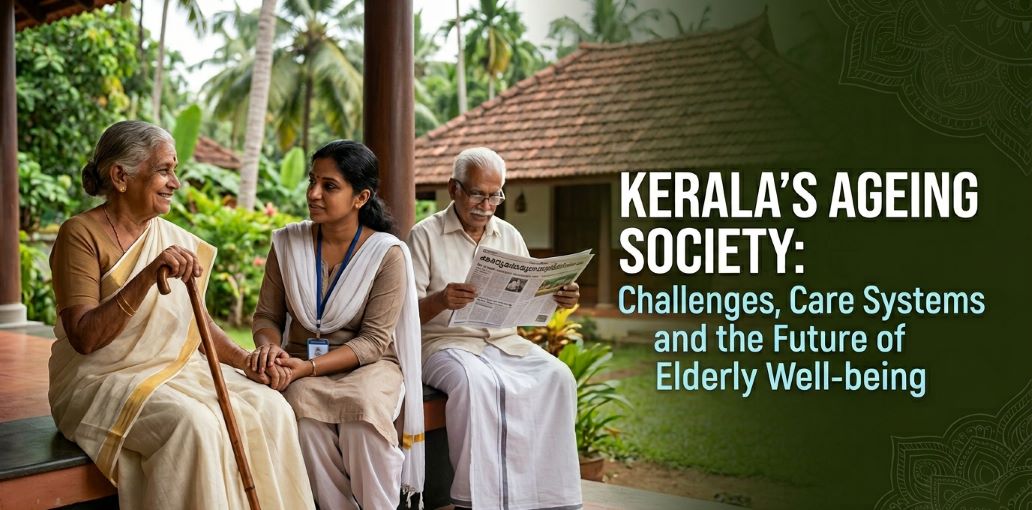
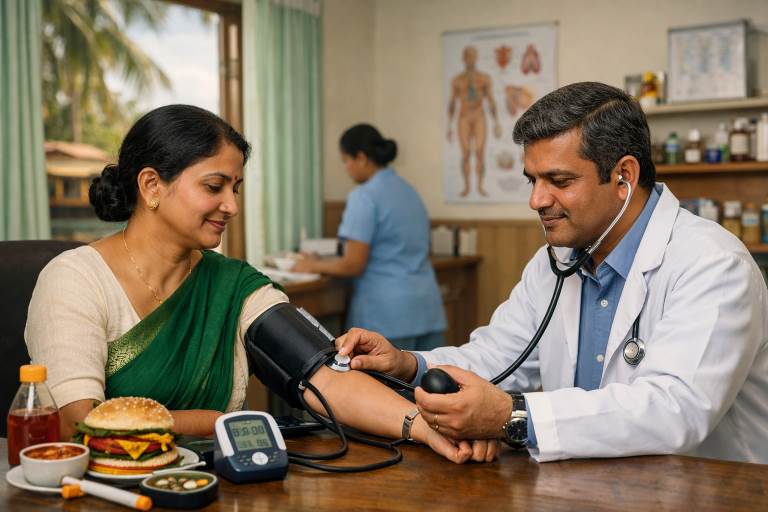
The roots of this health crisis are closely linked to Kerala’s social and economic transformation. Rising incomes, urbanization, and changing lifestyles have led to reduced physical activity and unhealthy dietary habits. Increasing consumption of processed foods, high salt intake, excessive sugar consumption, smoking, alcohol use, and prolonged sedentary behavior have become common risk factors. At the same time, Kerala's ageing population has further increased the prevalence of chronic diseases.
Research also shows that high blood pressure and elevated blood glucose levels are widespread among adults in Kerala. One study found that more than 32% of adults had high blood pressure and over 22% had elevated blood glucose levels, indicating a substantial burden of undiagnosed and uncontrolled disease.
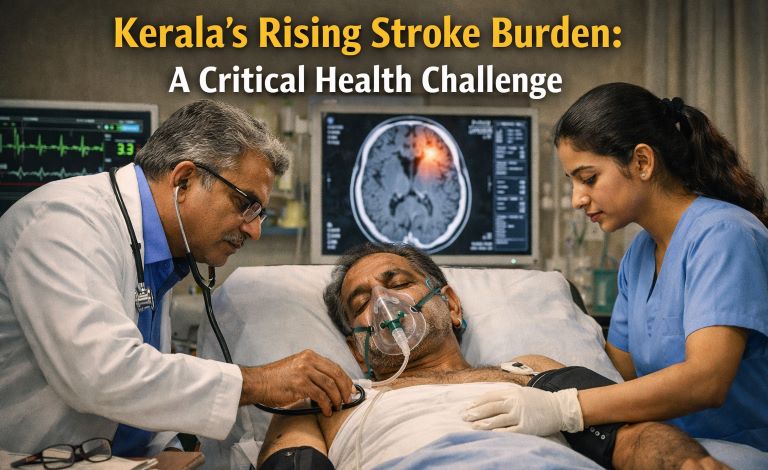
The consequences extend beyond individual health. Lifestyle diseases are a leading cause of heart attacks, strokes, kidney failure, and other chronic conditions that require long-term treatment and care. Families often face significant financial burdens due to medical expenses and loss of productivity. In many cases, patients require lifelong medication and regular monitoring, increasing healthcare costs for both households and the government. Studies have also highlighted the growing problem of multiple chronic conditions occurring together, particularly among middle-aged and older adults.
Addressing this challenge requires a comprehensive public health response. Prevention must be given priority through awareness campaigns promoting healthy diets, regular exercise, tobacco cessation, and responsible alcohol consumption. Regular screening for diabetes, hypertension, and obesity should be strengthened at the community level. Schools, workplaces, and local self- governments can also play a critical role in encouraging healthier lifestyles.
Kerala's experience demonstrates that development alone does not guarantee good health outcomes. As lifestyle diseases continue to rise, the state must shift its focus from treating illness to preventing it. The future health of Kerala will depend on how effectively individuals, communities, and policymakers respond to this growing epidemic.