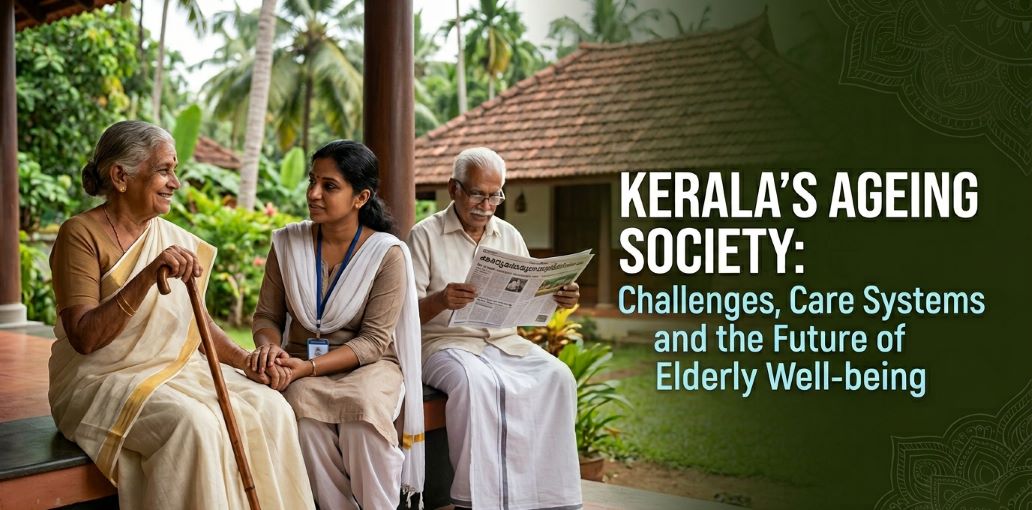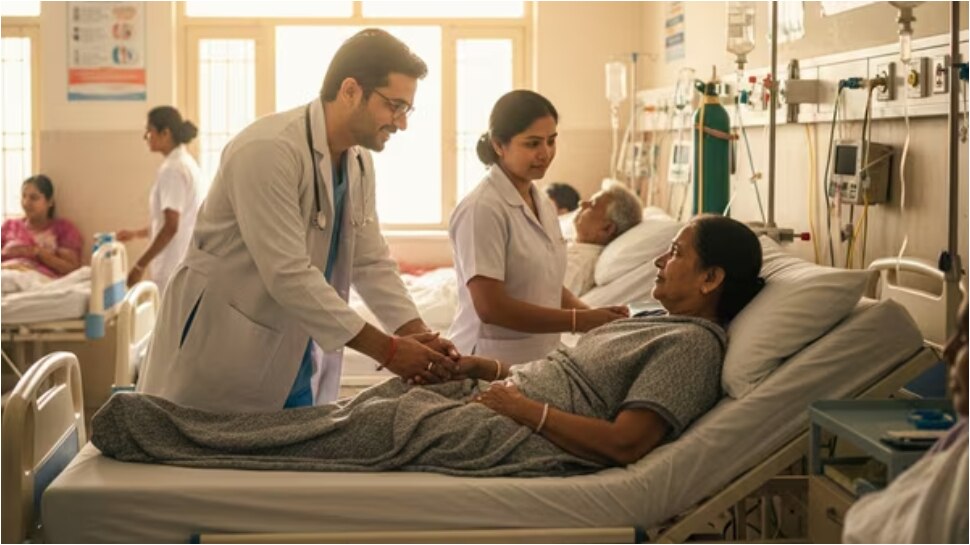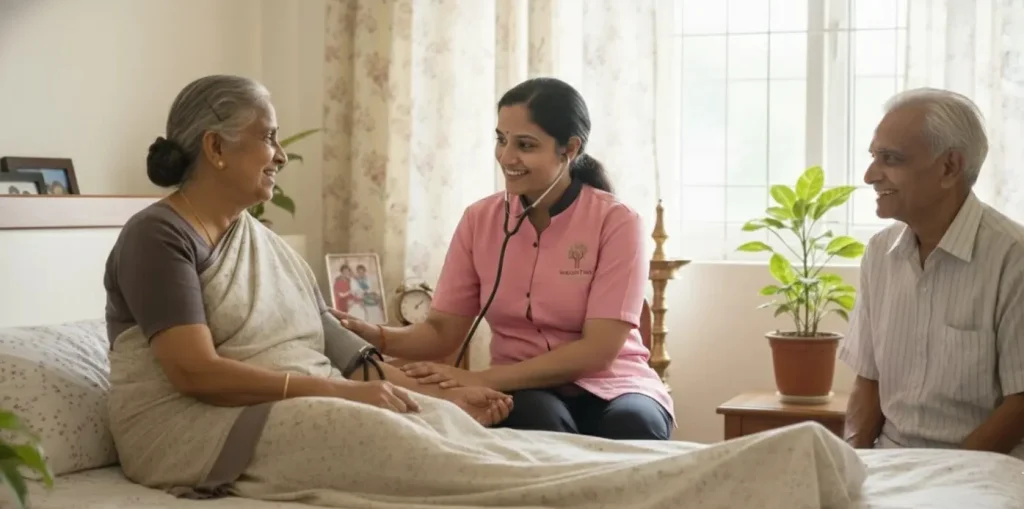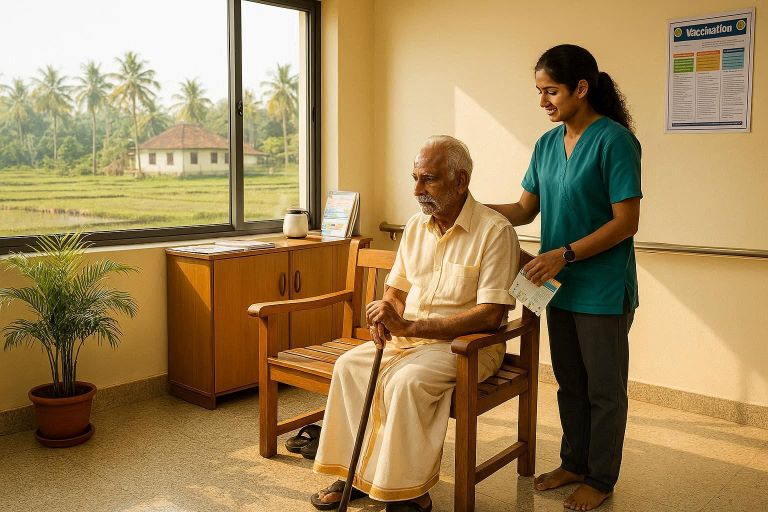
Following its renewed mandate, the Kerala Government has signalled a strong commitment to addressing one of the state's most pressing social challenges—the rapid growth of its elderly population. Chief Minister recently announced that Kerala would study and adapt elements of the Japanese model of elderly care, recognising the need for innovative and sustainable approaches to support senior citizens.
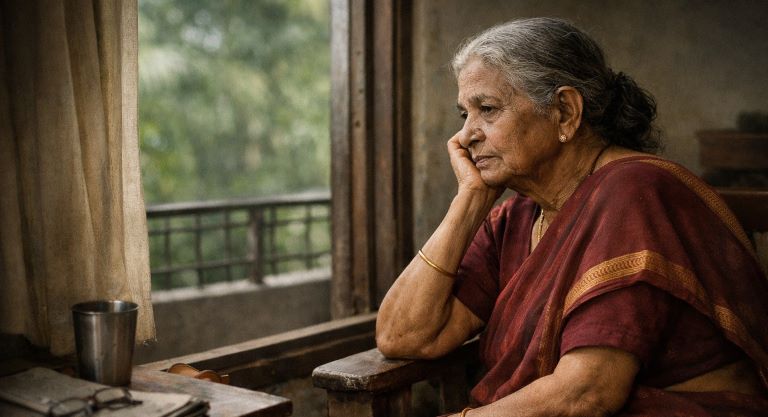
Kerala is often described as a demographic forerunner in India. High life expectancy, low fertility rates, and large-scale migration of younger generations have resulted in a steadily increasing proportion of elderly people. Many senior citizens live alone or depend on limited family support. As a result, the demand for healthcare, social security, and long-term care services has grown significantly. Kerala’s ageing profile resembles that of Japan, one of the world’s oldest societies, making the Japanese experience particularly relevant.
Japan has developed an integrated system of elderly care that combines healthcare, community support, assisted living, and technology-based services. By drawing lessons from this model, Kerala aims to strengthen community-based care, promote healthy ageing, and enable older adults to live with dignity and independence. The Chief Minister has emphasized that elderly welfare should become a key component of the state's future development agenda.
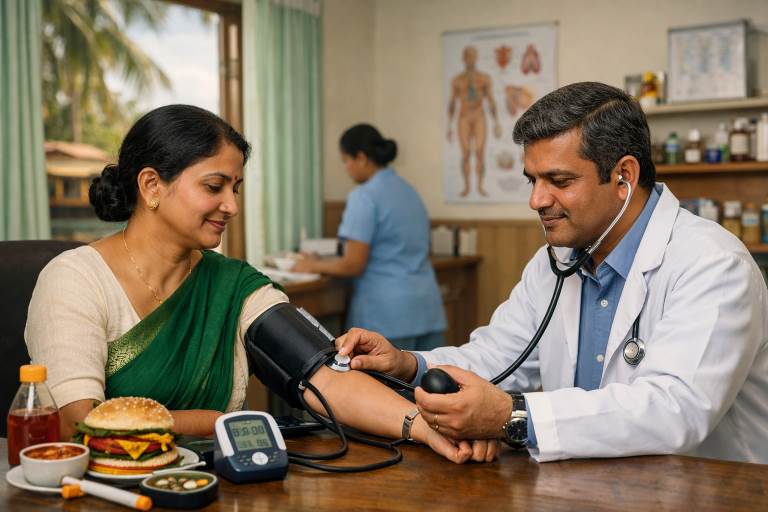
The initiative also reflects the broader vision of the newly elected government to expand Kerala’s welfare state. Local self-governments, primary health centres, and social welfare institutions are expected to play a central role in implementing age-friendly policies. Training caregivers, promoting geriatric healthcare, and encouraging community participation will be essential components of this effort.
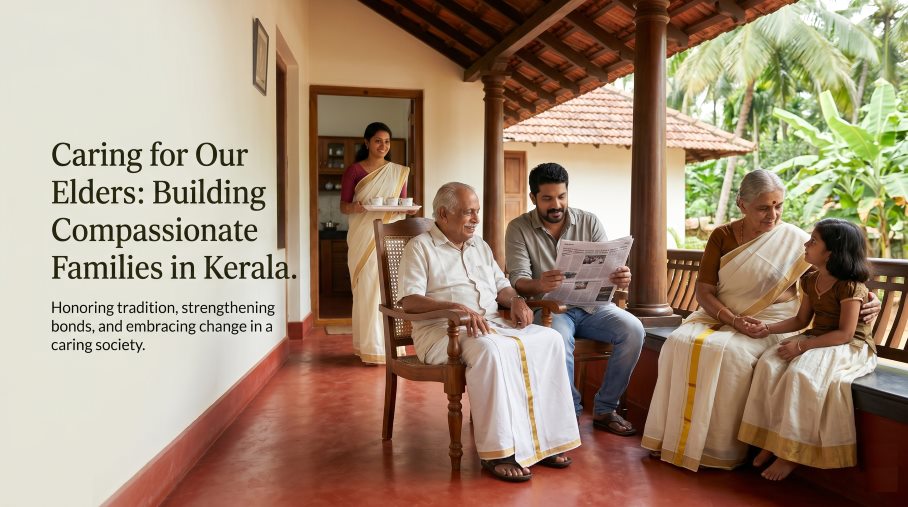
However, Kerala’s adaptation of the Japanese model must remain sensitive to local cultural realities. Family support continues to be an important source of care in Kerala, and public policy should strengthen rather than replace these traditional networks.
The government’s decision marks an important step towards preparing Kerala for the challenges of an ageing society. If implemented effectively, the initiative could position Kerala as a national leader in elderly care and provide a model for other Indian states facing similar demographic transitions.